Work
Shrink the gap between knowing the harm and changing the norm.
Building David to take on Goliath.
Some of the greatest systems-level thinkers of our time have dedicated their brilliance to getting people to click ads. That's a real shame. It's time to change the knowledge, attitude and practice for young people using these products.
Reduce the amount of time it takes society to go from knowing the harm to changing the norm, so people use powerful technology like a bicycle for the mind, not a conveyor belt of slop.
Coming soon
Theory of change
Go after demand.
We are developing sustained public-education campaigns created in language that resonates with young people, informed by evidence, and reinforced by the culture around them, shifting knowledge, attitudes and beliefs, not just spreading information.
Rather than lecturing or shaming young people, our campaigns will expose how addictive digital technologies, including social media and AI, are designed to encourage compulsive use and manipulate attention for profit.
Researchers and technologists, most visibly Jonathan Haidt and Tristan Harris, were among the first to sound the alarm on how these platforms are designed to hijack attention and harm a generation of young people. Their work built the case that this is a public-health problem, not just a parenting one.
Our strategy is to reframe excessive scrolling and other compulsive use as surrendering agency rather than harmless entertainment, making it look less normal and less desirable. Taking back control of your attention and choosing to participate more fully in real life becomes the more attractive alternative.
We will use humor, irony and creative storytelling, with the goal of creating videos young people will share because they want to, not because someone paid to put them in their feeds.
The Meta settlement creates the possibility of doing this work at a far greater scale. The question now is whether its resources will be used to build a sustained national response.
The settlement will provide billions of dollars to states and establish significant new protections for young people. The 1998 tobacco settlement went further: it established and funded a national organization dedicated to changing behavior through sustained public education. The Meta settlement does not.
Attention Initiative is working to mobilize one million voices behind the call to use settlement resources to create a permanent, independently governed national institution dedicated to protecting young people from addictive digital technology.
We will also work directly with attorneys general and other leaders to advance that goal.
Attention is all we have
Culture change via meme warfare
Edu & Prevention
Potent info about the health effects, the social cost, the addictive design and industry tactics, before exposure.
Don't Be Suckered
The knowledge in this campaign empowers youth to see mindless use from a different perspective, and to question it.
Living Library
A body of work kept mimetically fit full of arguments for intentional use and what we have learned from this 16-year shipwreck.
Curriculum
Ready-to-teach material for schools, clubs, and families that shames unintentional use and elevates building for good, hot and cold.
Policy design work
Turn cultural pressure into changed regulation, and rules that make building humane tech the default, not the exception.
IRL Opportunity
Provide IRL alternatives: rooms, events, organizing. Attention becomes commitment.
What the settlement can fund
- Promotion of digital literacy, including critical thinking skills, and digital citizenship for youth and parents
- Training, education, and decision-support tools for youth and parents related to the safe and responsible use of digital technologies and social media
- Education relating to the impact of social media and technology on the mental health and well-being of youth
- Public awareness and communication strategies addressing the risks, impacts, and harms of digital technology and social media use
- Programs or services designed to reduce youth screen time and encourage engagement in non-digital or offline activities, including recreational, educational, social, or community-based opportunities
- Innovative programs or services that promote the physical, mental, and social well-being of youth and reduce or limit their use of digital technologies or social media platforms, including by encouraging engagement in non-digital or offline activities
- Evidence-based or evidence-informed programs that improve youth access to mental health prevention, early intervention, treatment, and recovery services
Projects
- PSA
- PSA: Hammer
- PSA: Caveman
- Creator campaign with A-list advisors
- Represent.us-style video
- AHS pilot curriculum
- Wise Eyes documentary
- Fund IRL collaboration
- Exxon Valdez
- Mister Rogers to MrBeast
- Mass creative recruitment
- Live art installation
- Fund IRL x Attention Initiative
- Balance x Attention Initiative
AI projects
- Outbound donor
- Outbound podcast
- Outbound AG
- Video content
Attracting talent
- Young hiring board
Build a Goliath of killers, high-IQ, systems-level thinkers who will treat protecting human attention like the public health crisis it is.
Values
Move fast and fix things.
We are an organization of “Let me take care of that.”
“I've seen at every level people who are very good at describing problems, people who are very sophisticated in explaining why something went wrong or why something can't get fixed, but what I'm always looking for is no matter how small the problem or how big it is, somebody who says, ‘Let me take care of that.’”
Barack Obama
Who's advising us?
Mike Moore — Architect
First Edition
Gem MT1019980620
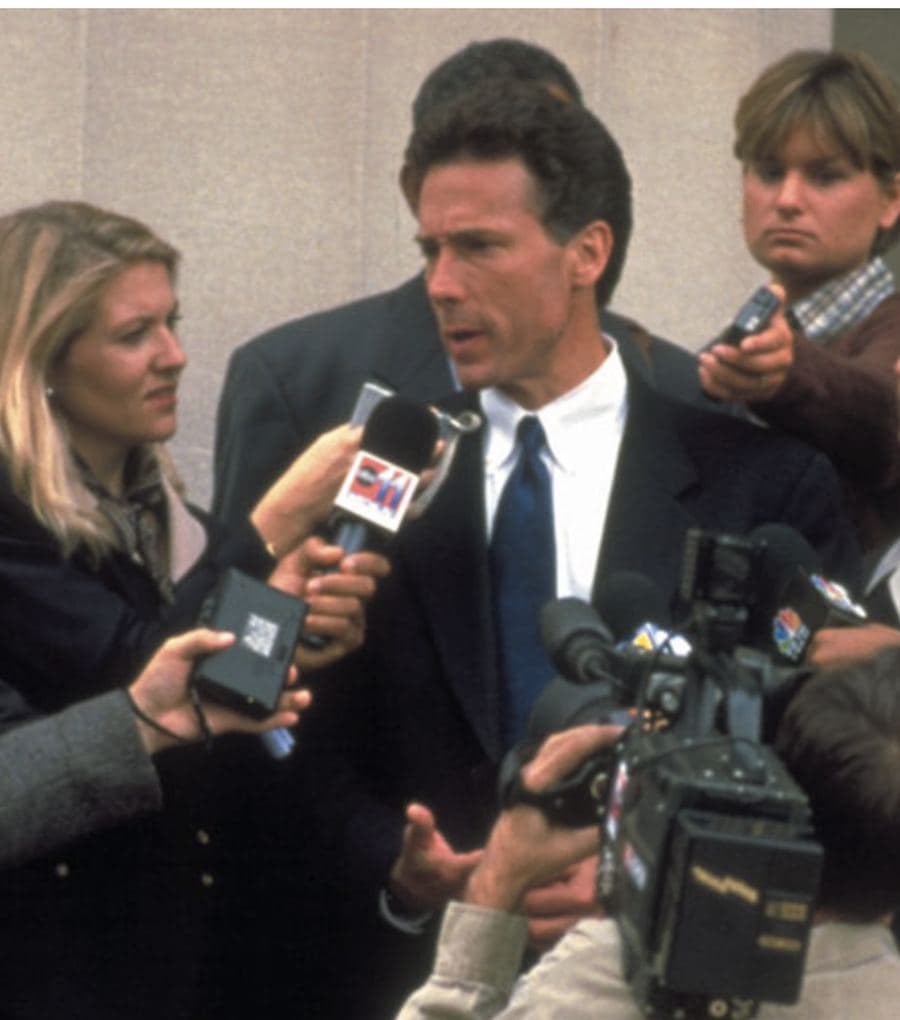 The Insider · 1999
Mike Moore
Attorney General of Mississippi, 1988–2004
Attention Initiative — Board
Career stats
Now he is writing it again.
Wyman Award, most outstanding attorney general in the country · National Law Journal Lawyer of the Year · Julius Richmond Award, Harvard School of Public Health · Played himself in The Insider, 1999
attentioninitiative.org